Executive Presence
What Qatar Airways Taught Me About First Impressions
In the world of luxury aviation, doing a great job is only half the battle—the other half is looking like you have everything under control.
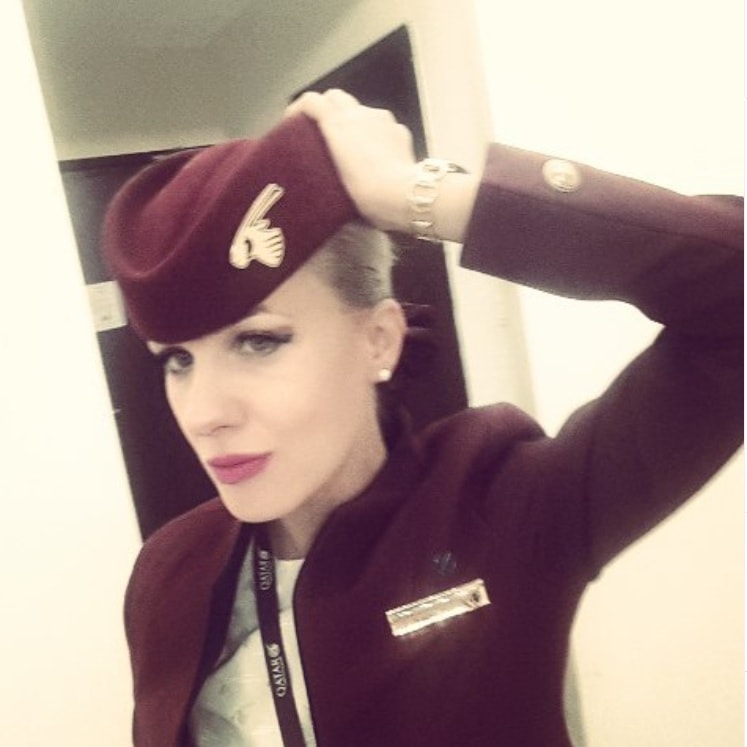
Qatar Airways nearly drove me insane!
Before joining the airline, I spent years working as a news anchor and reporter. In television, credibility is everything—yet I had creative freedom. I picked my own wardrobe, tailored suits to reflect my personality, and wore my hair as my signature crown. My on-camera identity was me.
Then I joined Qatar Airways, and I collided head-on with a rulebook designed to strip away every single trace of individuality.
The relentless standards
The uniform had to be immaculate down to the exact millimeter. A name badge pinned half an inch too low was an immediate infraction. You were strictly forbidden from even holding a mobile phone while wearing the uniform in public.
And the hat. Sweet merciful heavens, the hat. In public, that hat stayed on. No exceptions. Midnight, 4 a.m., during a sandstorm—it was essentially glued to my skull. We were technically allowed to sleep on the crew bus, but I swear the hat had to stay on in case someone from the general public glanced at the window and thought, “Is that… crew, without a hat? Scandalous.”
I once reached for the curtain to see if we had arrived. My colleague's hand shot out like a hawk snatching prey: “Hat.”
Worst of all, crew members constantly policed one another. Standing in a hotel lobby, a colleague would casually reach over to tweak your collar, adjust your cap, or whisper: “Fix your lipstick.” “Your badge is crooked.”
Then came the pre-flight inspections by the Grooming Officers: “Your skirt is too tight.” “Your lipstick undertone doesn’t match your nail polish.” And hair? If there was even a millimeter of dark root regrowth or an unapproved highlight showing, you risked being offloaded from the flight entirely.
For months, I rebelled. Every rule felt like a cage. Eventually, I faced a clear choice: stay bitter and exhausted, or surrender and enjoy the beaches of the Maldives the second the uniform came off. I chose the Maldives—for some time.
Let me take you forward
Years later, long after leaving the skies, I found myself packing my carry-on bag for a speaking event: the backup outfit, in case disaster struck the primary look; the dual footwear, with high heels for instant stage posture and tailored flats for walking the venue and mic checks; and the emergency kit—signature red lipstick, signature fragrance, stain-remover wipes, and hairpins.
There it was: my crew bag. But this time, it didn’t feel like a cage—it felt like armor. I felt completely prepared, ready to step into my authority.
I remembered my “burgundy queens.” Deep into a 14-hour long-haul flight, behind the closed service curtains, we were exhausted. Hair falling flat, shoes worn down from miles of pacing the aisles, swollen legs, energy depleted. We were purely manual laborers pushing heavy carts.
Then, the descent chime would sound.
What followed was nothing short of an athletic transformation. In five minutes flat: aprons stripped off; service flats kicked away and boarding heels slipped on; tailored jackets buttoned with precision; hats on; hair slicked back into an immaculate bun; a mist of fragrance; and finally, a sharp, unapologetic swipe of MAC “Candy Yum-Yum” lipstick.
In under five minutes, we weren't exhausted workers anymore. We were safety commanders.
We stepped back into the cabin ready to deliver five-star hospitality, but more importantly, prepared to lead 300 passengers through the most critical phase of flight: landing. If an emergency occurred, no one in that cabin would question who was in charge. Plus, we looked amazing.
That was our authority flip.
The blueprint: how to apply this to your life
1. Choose your “signature uniform” (eliminate decision fatigue). In aviation, the uniform eliminates the daily question of “What do I wear to command respect?” Apply this by curating a personal speaking uniform—such as a sharply tailored suit in a signature palette or an architectural sheath dress. Consistent, high-standard clothing builds instant recognition and projects effortless authority.
2. The “lipstick trick” (managing visual energy). When running on three hours of sleep across multiple time zones, a swipe of bold lipstick was our visual weapon—an immediate optical lift that signals vitality and sharpness. Find your own version: a bold lip, a crisp white collar, or a fresh grooming routine. It signals absolute alertness, regardless of how tired you actually feel.
3. Separate presentation from execution (the two-shoe rule). Aviation protocol strictly separates public presentation from behind-the-scenes labor: we boarded in high heels for stature, then switched to flats for physical service. Do the same at events. Walk the venue, test the AV, and prep backstage in comfort, then step onto the stage in the shoes that command posture and presence.
4. The suitcase rule (build emotional resilience). A professional flight attendant never travels without a pristine spare uniform; knowing you can recover from a coffee spill in two minutes eliminates stage fright before it starts. Pack an extra shirt, backup heels, and essential emergency supplies. When your nervous system knows you are protected against wardrobe malfunctions, your confidence remains unshakable.
5. Balance “steel” and “silk.” The structured jacket and peaked cap provided our steel—the visual authority that demanded compliance during emergencies. Our warmth and hospitality provided the silk. As a speaker or executive, you need both. If your style is too casual, you work twice as hard to establish credibility; if you are too rigid, you alienate the audience. Use structured clothing for your steel, and let your voice, warmth, and stories deliver the silk.
6. Anchor your authority switch. In the cabin, we moved from serving coffee to preparing for an emergency in seconds using physical triggers. Before stepping into the spotlight, develop your own physical cue: buttoning your jacket, rolling your shoulders back to expand your chest, or holding a deliberate three-second silence before your opening word. It signals to your audience—and your brain—that the performance has begun.
The verdict
Looking back at my time with Qatar Airways, it was the most suffocating of times; it was the most transformative of times. I hated the scrutiny and the lipstick inspections before dawn. But I will forever like the person I became because of it.
They gave me a uniform that felt like a cage, and in doing so, they handed me the keys to complete freedom.
Years later, the sentiment remains: Bloody Qatar Airways! Remarkable Qatar Airways!
About the Author
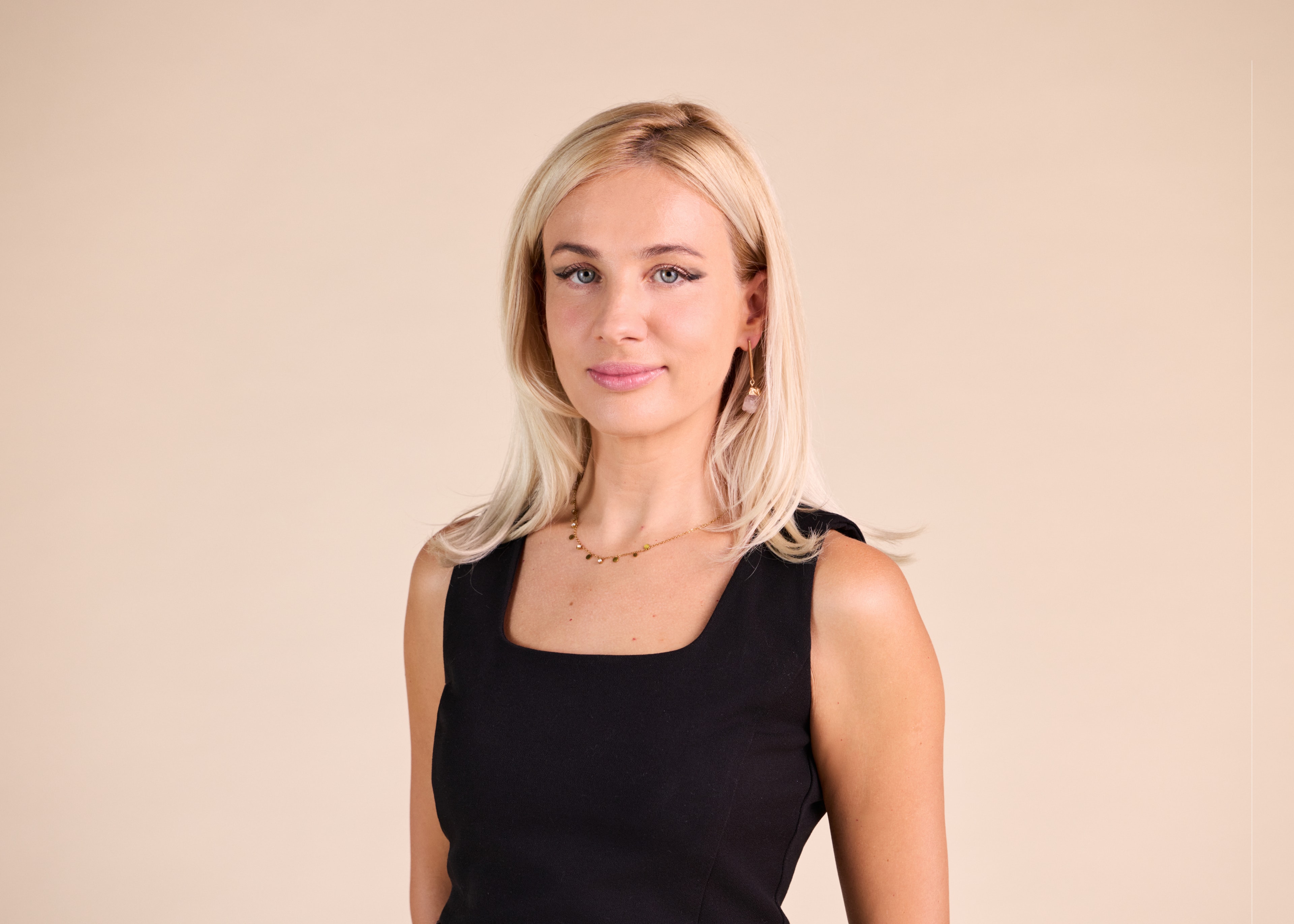
Nada Zekovic
Nada Zekovic is a TV presenter, MC, keynote speaker, and CIPD-certified trainer and coach based in Dubai. She has lived and worked across the UAE, Qatar, and Oman, and brings over a decade of experience in front of the camera and on international stages. She works with leaders, teams, and organisations across the Gulf and beyond to help them communicate with clarity, confidence, and lasting impact.